WiFi Signal Verified at the Opener Location Before Any Smart Unit Is Installed
App paired, HomeLink synced, and live connectivity tested before we leave.
A signal gap at ceiling height is the single most common reason a smart opener fails after installation. Concrete and metal attenuate wireless signals in ways that don't show up on a phone held at chest height near the door. WiFi verification at the mount point happens before the unit is unboxed — not after the app fails to connect.
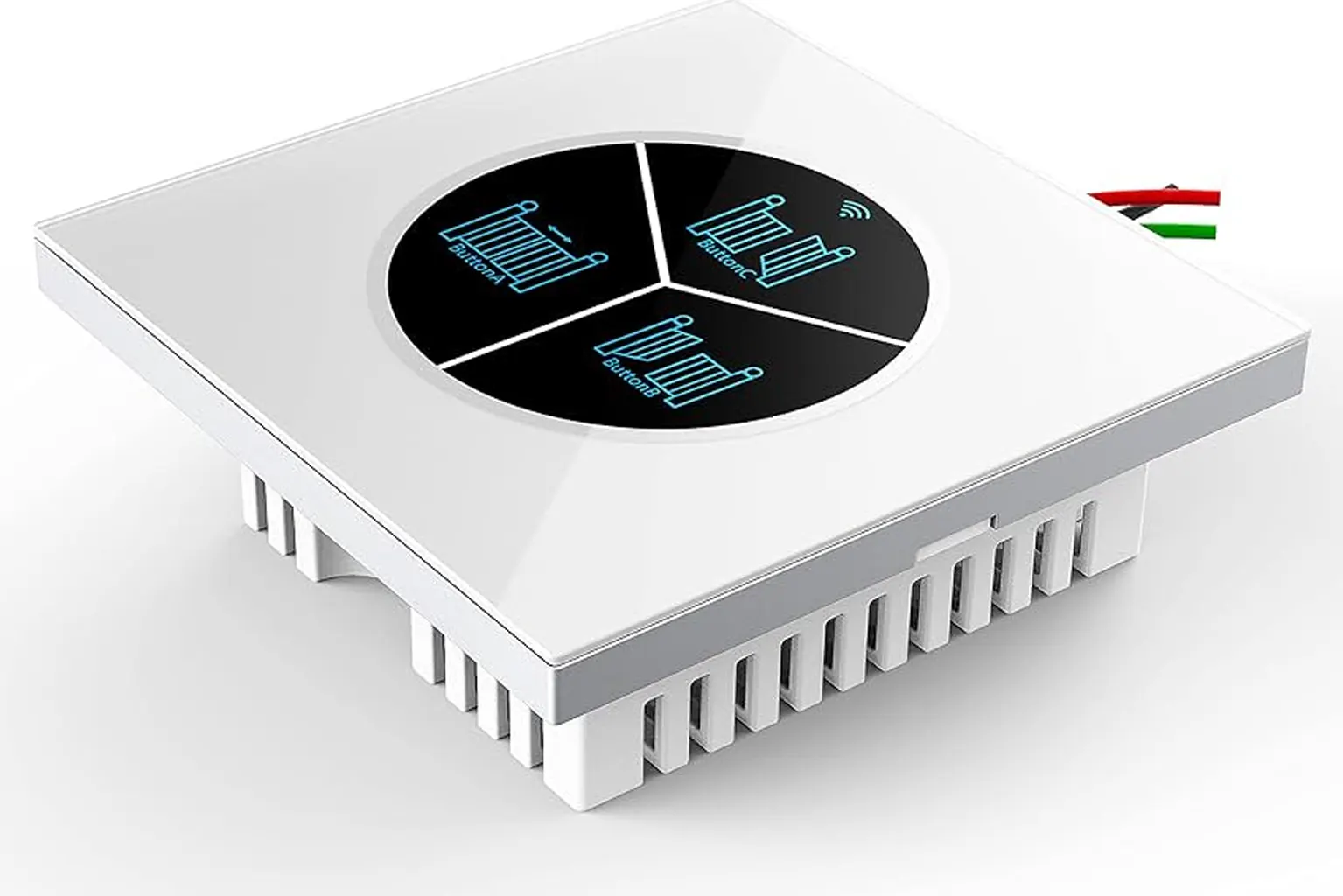

A connected motor system that lets you open, close, and monitor your door from any phone
Real-time door status. Alerts if it moves unexpectedly. Temporary access for a family member, housekeeper, or delivery driver — without handing out a permanent keypad code.
Milwaukee residents who commute to jobs in Brookfield, travel for work, or manage rental properties in Brown Deer or West Allis often don't know their door was left open until hours later. That's not carelessness — it's geography. The door is out of your line of sight by the time you're on the highway.
App-based access sharing solves a real problem for homeowners managing contractor visits, regular deliveries, or secondary properties in Oconomowoc or Waukesha. Full install — hardware, WiFi pairing, app setup, and connectivity verification — in a single visit.
For broader install context, see standard opener installation. For unit selection guidance across the full residential range, see residential opener options. LiftMaster and Chamberlain smart units covered through LiftMaster install and repair.
Four Standards That Make a Smart Install Stick
WiFi signal verified at ceiling height. Retrofit module compatibility checked before any recommendation. HomeLink completed in-vehicle. Live connectivity test before sign-off — the step most self-installs skip entirely.
WiFi at Mount Point
Signal strength measured at the ceiling mount location before unit selection. Garages with concrete or metal walls often show weak signal at opener height even when the router is nearby. Pre-check happens at the start of every visit — not after the hardware is already installed.
Module Compatibility
Retrofit smart module compatibility checked before any recommendation is made. A WiFi adapter can upgrade some existing openers without replacing the full unit — brand-specific, model-specific. You get a clear answer on whether a module will do or a replacement makes more sense before any work begins.
HomeLink In-Vehicle
Vehicle's overhead console buttons paired during the install visit when the car is available. HomeLink requires the opener to be running and the vehicle to be present during the sync — no second trip. Schedule the visit when the car is at the property.
Live Connectivity Test
Open and close commands run from the app while the technician is still on-site. Status alerts confirmed active. App shows real-time door status. Visit isn't cleared until all three checks pass — the step that catches drops between successful pairing and reliable daily use.

"Just enough signal to pair, not enough to hold a reliable connection."
Most calls I get about smart openers aren't really about the opener. They're about a signal problem nobody measured before the hardware went up.
A homeowner near Menomonee Falls had purchased a smart opener and planned to handle the install herself. Mounting and pairing went through, but the app connected intermittently — maybe six out of ten commands. Three weeks rebooting the router, reinstalling the app, reading forum threads. Then she called me.
When I arrived, I didn't touch the opener first. I walked to the rear of the garage ceiling — where the unit was mounted — and ran a WiFi signal check at that exact location. Router on the far side of a masonry wall. Signal at ceiling height was marginal: just enough to pair, not enough to hold a reliable connection.
That measurement took four minutes. What it revealed took twenty minutes to fix: we repositioned a WiFi access point, confirmed signal strength at the mount location, and verified the connection held before I touched a single mounting bracket. The app connected cleanly. The live test before I left showed full remote operation, real-time status, and alert delivery working correctly.
The issue wasn't the opener. It wasn't the app. It was a signal gap that no one measured before the hardware went up. WiFi verification at the ceiling mount is step one of every smart install we do — not step four, not an afterthought, not something we check if the app doesn't connect. Before any unit is unboxed.
App pairing, remote programming, and HomeLink integration in the same visit
No second trip. No follow-up appointment. The car is paired while we're on-site, the app is configured, every remote and keypad in the household is synced before we leave.
HomeLink integration requires the opener to be running and your vehicle to be present during the sync. The pairing is scheduled during the install visit when the car is available. That's why the visit is scheduled around your access to the vehicle — not around hardware shipping dates.
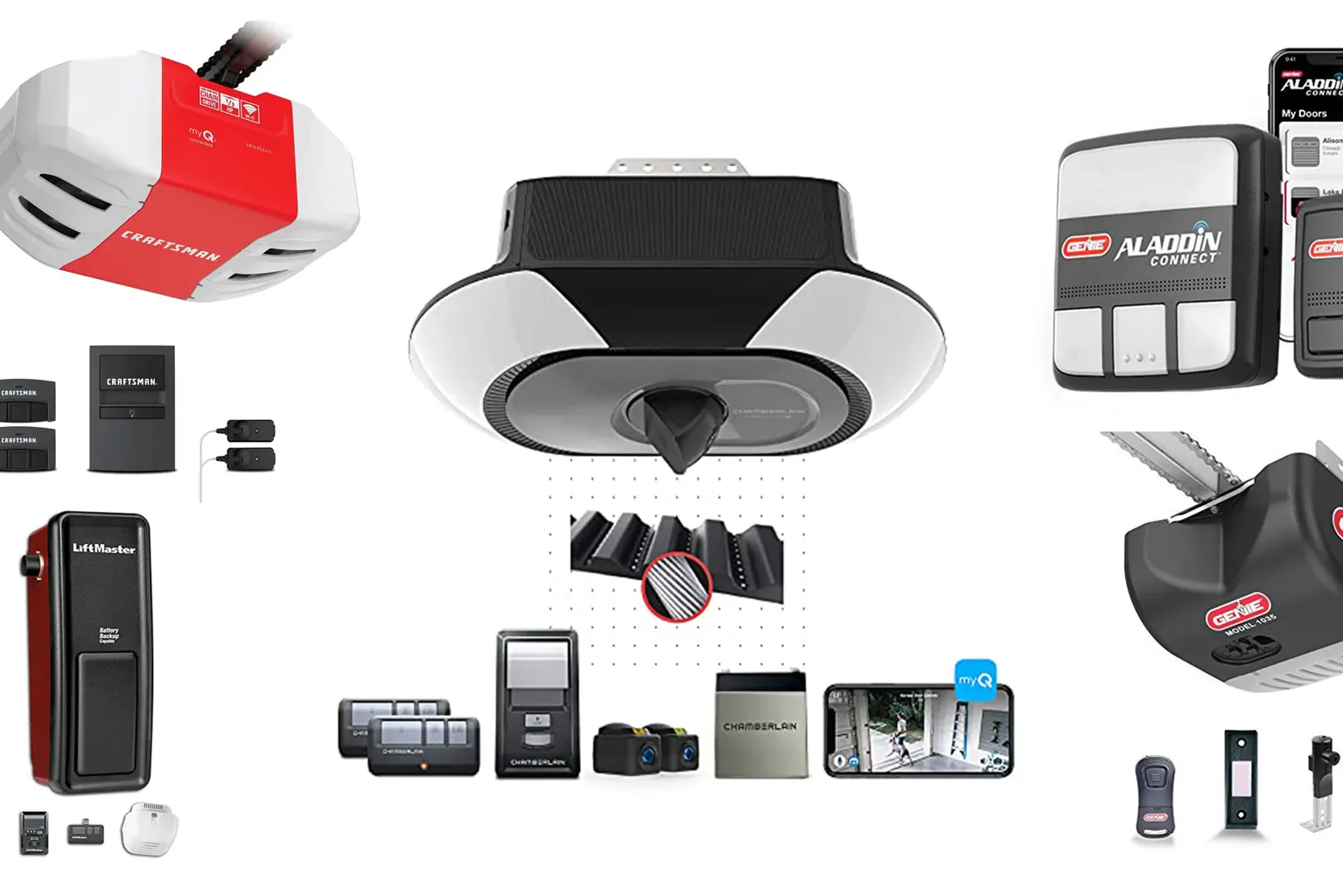
myQ technology — LiftMaster and Chamberlain's smart home connectivity platform — allows app-based door control, real-time status alerts, and Amazon Key in-garage delivery access. If your existing opener supports a retrofit smart module, compatibility is checked before recommending anything. You hear upfront whether your current opener can be upgraded or whether a full replacement makes more sense.
Every install also includes a full sensor alignment and safety inspection — the door's safety system has to be functioning correctly alongside the new electronics. Smart connectivity doesn't replace the photoelectric beam at the floor.
Same checklist applies regardless of manufacturer. The checklist doesn't shrink based on how straightforward the job looks at the start.
Signal Check, Mount and Pair, Live Connectivity Test
Three stages, defined order. WiFi at ceiling height first. Hardware mounted, opener paired to the home network, every remote and HomeLink synced. Final live test confirms the connection holds — before the visit closes.
Signal & Compatibility
Before any hardware is unboxed. WiFi signal strength measured at the ceiling mount location. Existing opener checked for retrofit smart module compatibility — brand-specific, model-specific. Spring system and track condition reviewed to confirm the door is mechanically sound before adding electronics.
Mount & Pair
Hardware mounted to the ceiling bracket with proper torque. Wiring run cleanly to the door's logic board. Travel limits set. Opener enrolled on the home network, homeowner's phone linked, notification preferences configured. Every handheld remote and keypad paired. HomeLink car programming completed if the vehicle is present.
Live Connectivity Test
Open and close commands run from the app while standing at the property. Status display updates confirmed in real time. Alert notifications fire correctly. Visit not cleared until all three checks pass. If anything drops, it gets resolved before sign-off — not after.
Already bought a smart opener? Have us measure WiFi at ceiling height before mounting.
Concrete and metal walls attenuate signal at opener height. Four-minute check at the mount point can save three weeks of troubleshooting. The pre-check happens at the start of every visit, not after the hardware is up.
Three Smart Install Profiles Where the Approach Differs
Same checklist across all three. Different starting points — signal-marginal masonry build, retrofit-eligible existing opener, or a primary-residence-plus-rental setup where remote access matters most.
Signal Gap at Mount
Brick or block walls between router and opener. Signal marginal at ceiling height — just enough to pair, not enough to hold. Pre-check catches it. Repositioning a WiFi access point or mesh node fixes it before any hardware is mounted. Saves three weeks of forum-thread troubleshooting.
Module on Existing Unit
Existing opener compatible with a retrofit smart module — brand-specific, model-specific. WiFi adapter adds connectivity without replacing the full unit. Compatibility checked before any recommendation. You're not paying for a new opener when a module will do.
App-Based Access Sharing
Homeowners managing rental properties in Brown Deer, West Allis, or secondary properties in Oconomowoc and Waukesha. Temporary access for contractors, deliveries, housekeeping — without handing out permanent keypad codes. Status alerts arrive on the homeowner's phone wherever they are.
Frequently Asked Questions
Unknown signal strength is fine — WiFi is measured at the ceiling-mount location before selecting or unboxing any unit. Garages with concrete or metal walls often show weak signal at opener height even when the router is nearby. The pre-check happens at the start of every visit, not after the hardware is already installed.
Most smart installs complete in two to three hours, including signal check, hardware mounting, app pairing, and remote programming. HomeLink car integration adds time only if the vehicle is present — completed during the same visit. Job not cleared until the live connectivity test confirms the app shows real-time door status.
A retrofit smart module can upgrade some existing openers without replacing the full unit. Compatibility is brand-specific and model-specific. Your current opener’s model is checked before recommending a module or a replacement — you get a clear answer before any work begins. You’re not paying for a new opener when a module will do.
The live connectivity test at visit close is specifically designed to catch this. Open and close commands are run from the app while the technician is still on-site. Status alerts confirmed active. If anything drops before the visit is cleared, it gets resolved before we leave — not after.
Yes — if your vehicle is present. HomeLink requires the opener to be running and the vehicle to be at the property during the sync. The visit is scheduled around your access to the car. Same is true for every handheld remote and keypad in the household — all paired before sign-off.
WiFi signal check at ceiling height before selecting a unit — the step most self-installs skip entirely. Full setup includes app pairing, remote programming, HomeLink sync, and a live connectivity test in one visit. A handyman typically mounts the hardware and hands you the manual; we leave with a working, verified, connected system.
Smart Opener Installation Across the Milwaukee Metro
WiFi signal verification and full app setup completed during the single installation visit — regardless of where in the SE Wisconsin corridor your property is located. Mon–Thu and Sun 7AM–9PM, Fri 7AM–4PM.
One visit. App connected. Connectivity confirmed before we leave.
WiFi verified at ceiling height, hardware mounted, app paired, every remote and HomeLink synced, live connectivity test passed. All in the same visit.
(414) 296-9783